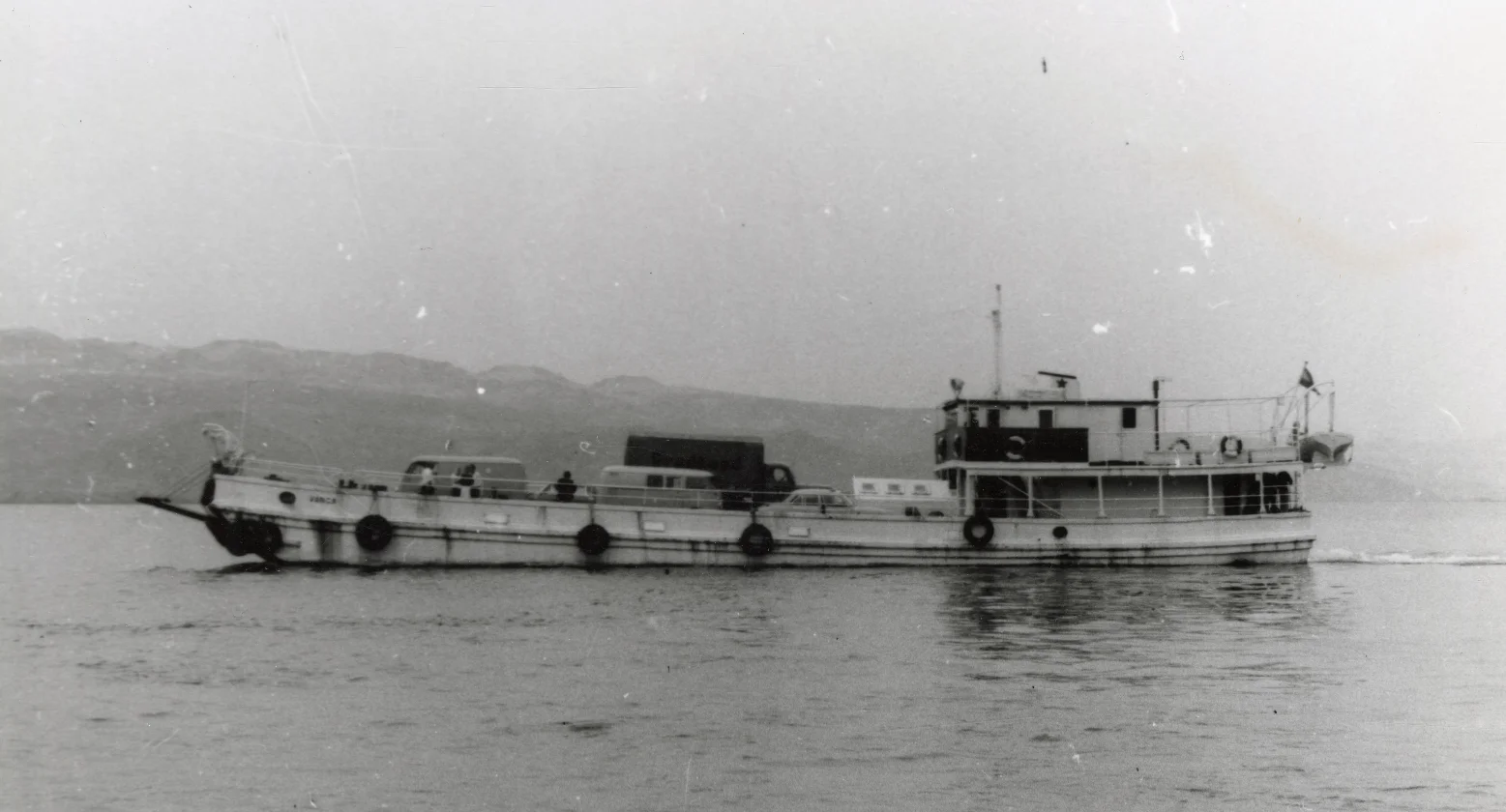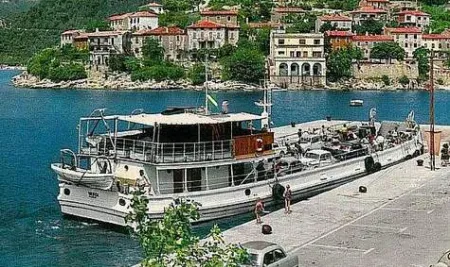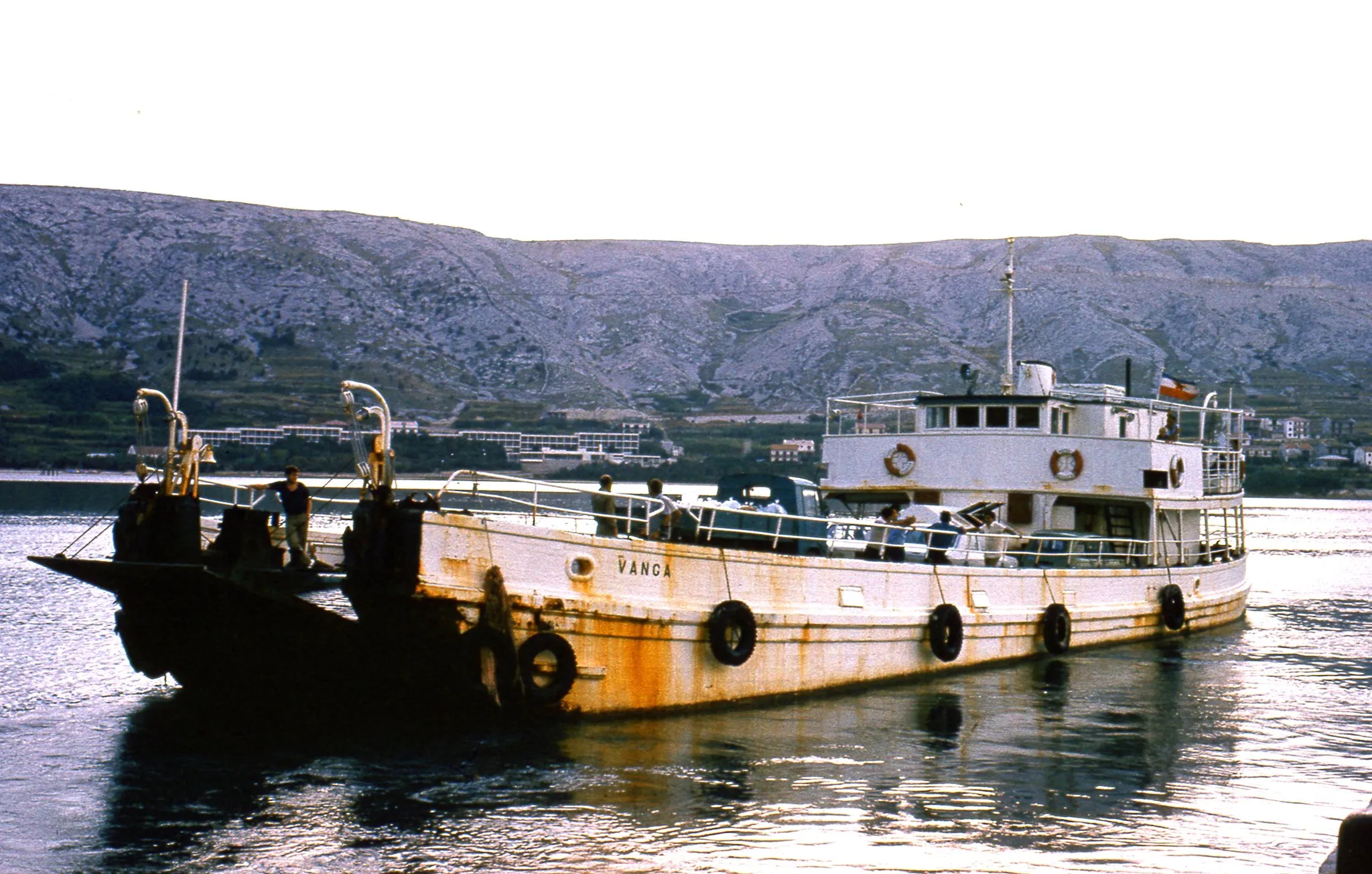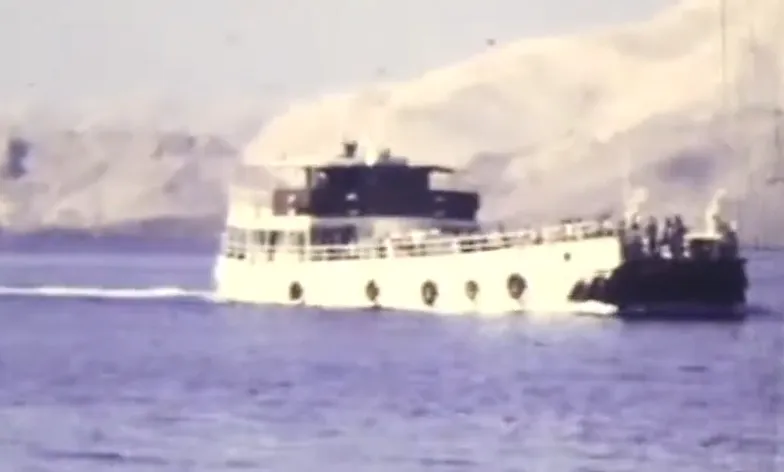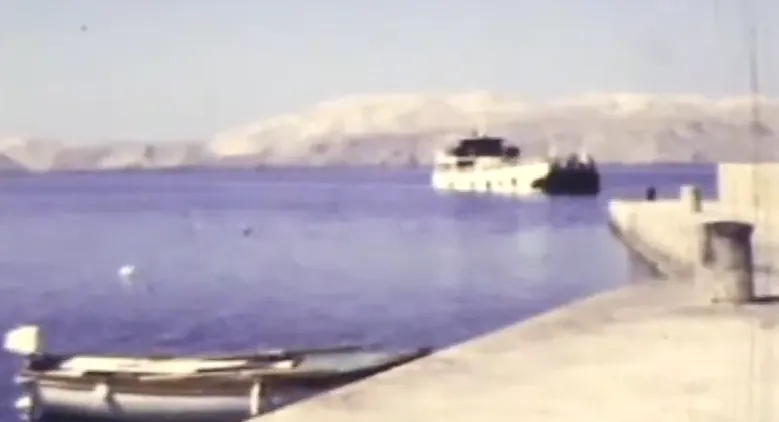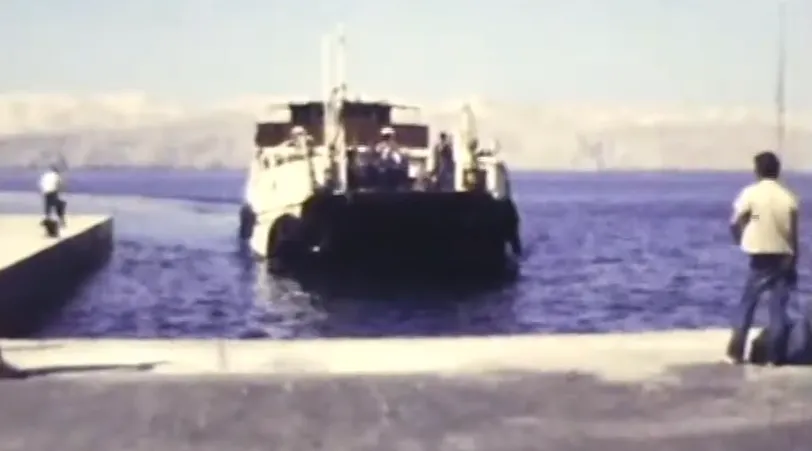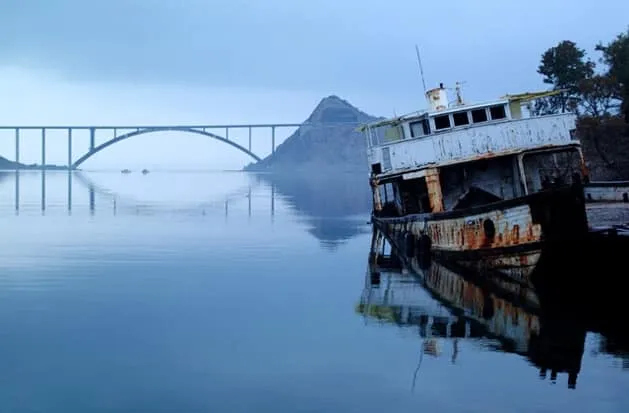
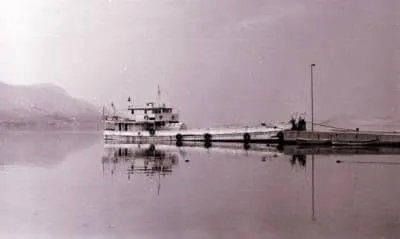
Vanga was a wooden motor vessel designed for short coastal voyages, built in 1952 at the “Lošinj” Shipyard in Mali Lošinj. It was initially used to transport cargo from Goli Otok, and its first years of service were devoted to work and transport duties.
The vessel was 35 metres long and could carry up to 18 vehicles and 170 passengers. It was powered by a robust German-built diesel engine that enabled it to cruise safely at a speed of 7 knots.
In 1958, the vessel became part of the Lošinjska plovidba fleet, and in 1961 it was converted into a ferry. Three years later, in 1964, it was transferred to Jadrolinija, operating on various coastal routes, most notably the well-known Karlobag – Pag route. It remained a familiar sight to passengers until 1985.
During its long service, the vessel underwent numerous modifications and changes of ownership. In 1985, it was sold to a private owner, renamed “Kormat”, and once again adapted for cargo transport.
In 2001, the vessel was brought to Voz on the island of Krk, where it was abandoned along the shore and gradually became partially submerged. Four years later, in 2005, the wreck was removed by order of the Rijeka Harbour Master’s Office, bringing the final chapter of its long service to a close.
Vanga – More Than a Ferry
For Karlobag and Pag, Vanga was much more than an ordinary means of transport. The regular ferry service brought the two shores of the Velebit Channel closer together and made it easier to carry people, vehicles and goods between the island and the mainland.
Vanga’s arrival became part of everyday life in Karlobag. Each docking brought passengers, cars and the bustle of summer to the Karlobag waterfront, while on Pag the name “Vanga” gradually became almost synonymous with the ferry itself. For generations of residents on both sides of the channel, it remained associated with journeys, waiting on the waterfront and crossing between island and mainland.
Modest by the standards of today’s ferries, Vanga belonged to an era in which travel across the Adriatic was changing rapidly. Its significance therefore lies not only in the history of a single vessel, but also in the role it played in the everyday life of Karlobag and Pag. Photographs of its arrival and docking now bear witness to a time when the ferry connection was one of the defining features of life in Karlobag harbour.